
Vienna’s most charming neighborhoods!
Where to Wander Like a Local
© WienTourismus/Paul Bauer
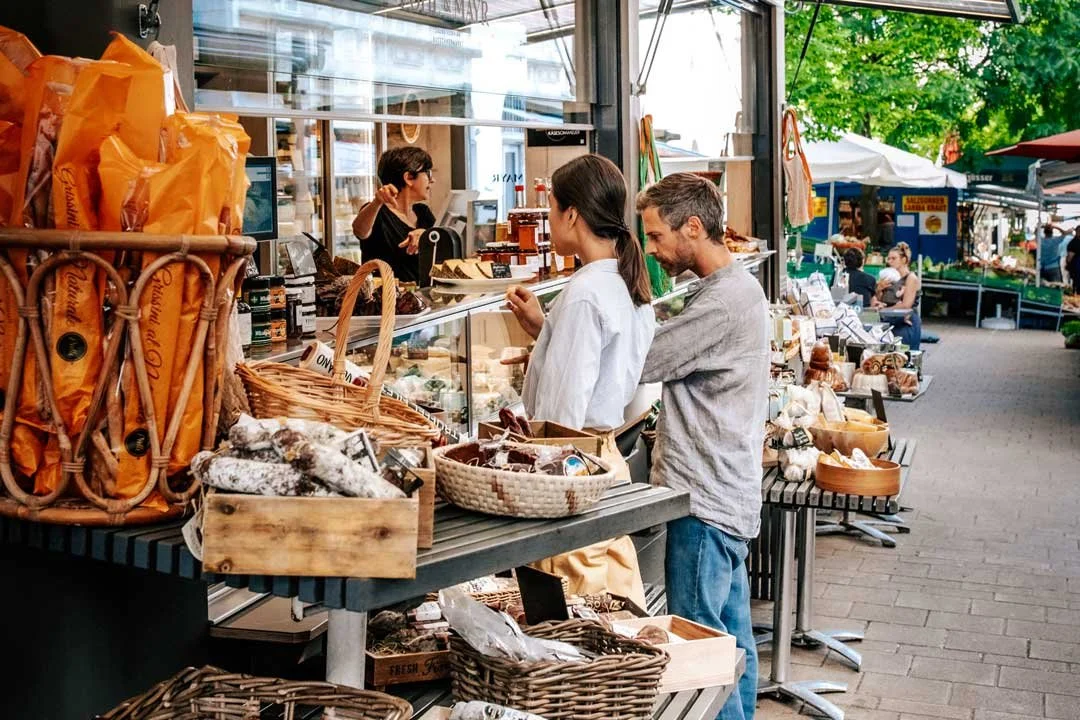
Vienna is made up of 23 districts. The inner ones are compact and easy to explore, while those on the outskirts are vast and filled with very different corners. Yet what truly defines the city are not administrative borders, but the Grätzl — the beloved Viennese term for a neighborhood.
A Grätzl cannot be pinned down precisely on a map. It is a feeling rather than a geographical unit — an extension of one’s living room. It is where you meet friends, where your favourite café knows your order, and where you find the perfect bench for people-watching.
So here is a gentle invitation to leave the grand boulevards behind and dive into the smaller streets and hidden courtyards, where Vienna often reveals far more atmosphere than expected.
1. Around the Old General Hospital (Altes AKH)

© WienTourismus/Paul Bauer
The former Altes AKH — once Vienna’s main hospital — is today part of the university campus and one of the city’s most relaxed green enclaves. Its generous courtyards are quiet and leafy, perfect for a stroll, a book on a park bench, or a coffee under chestnut trees.
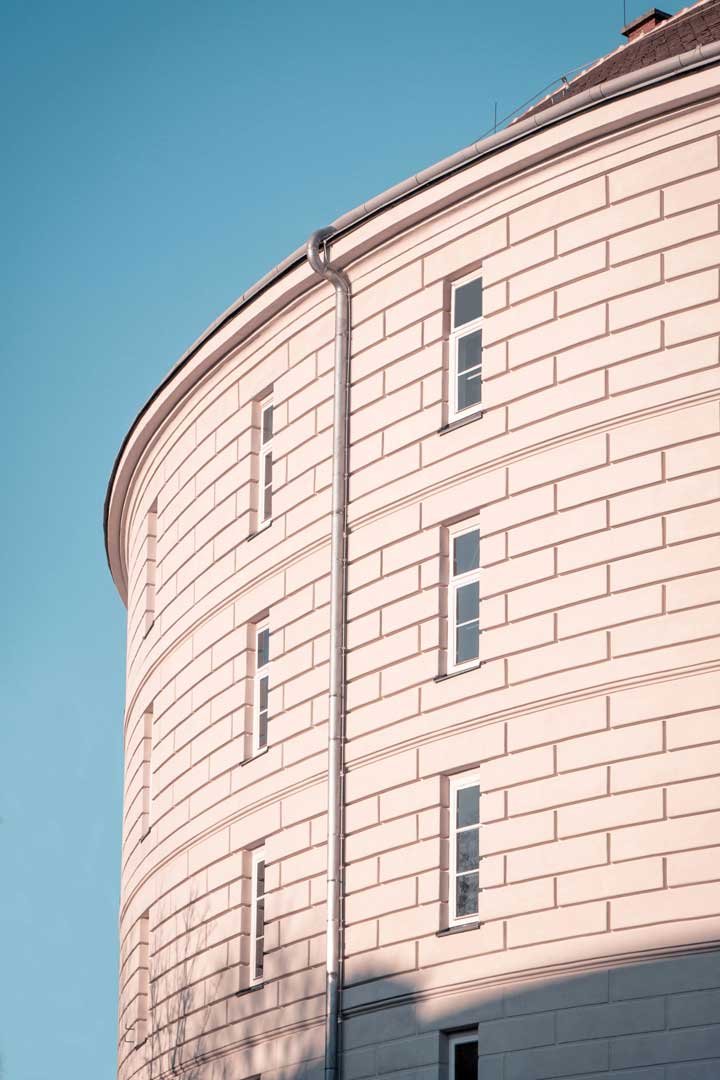
Hidden within the complex is one of Europe’s most unusual museums: the Narrenturm, a former psychiatric institution founded by Joseph II. Today it houses the anatomical collection of the Medical University of Vienna. It can only be visited on a guided tour — and is not for the faint-hearted.
© Hidden Vienna
If your curiosity for medical history continues, step into the nearby Josephinum, home to an extraordinary collection of 18th-century anatomical wax models.
Literature lovers should not miss the Viktor Frankl Museum, dedicated to the founder of logotherapy, who often stands in the long shadow of Sigmund Freud.
For refreshments, have a beer at the legendary Stiegl-Ambulanz, or seek out the charming and slightly hidden POC - People on Caffeine near the Alservorstadt Church.
2. The Kutschker Market Grätzl
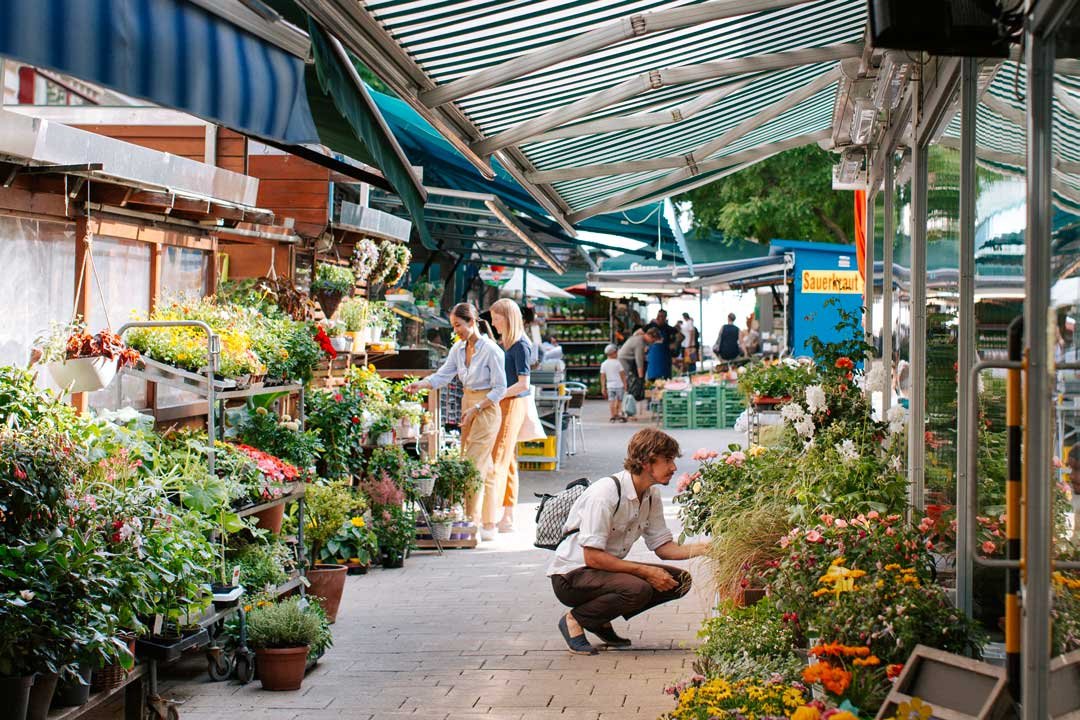
The Kutschker Markt is one of those neighborhood markets that has experienced a quiet revival in recent years. Lined with small shops, cafés, and wine bars, it feels refreshingly local.
© WienTourismus/Paul Bauer
Just around the corner, Café Schopenhauer beautifully combines Viennese coffeehouse tradition with a love of books. Browse through the integrated bookshop while sipping your Melange, and perhaps leave with a new favourite novel under your arm.
A short walk away lies Schubertpark. Few visitors know that this quiet green space was once the original burial site of Ludwig van Beethoven and Franz Schubert before both were transferred to the Central Cemetery.
3. Wieden – Around Schleifmühlgasse
Our third recommendation takes us to the 4th district, Wieden. Around Schleifmühlgasse, you will find small boutiques, galleries, and cafés that invite you to linger. The old suburb is still palpable here — yet the atmosphere is lively and young.
This area was once home to the vast Freihaus complex, a residential world of its own that even had a theatre. Here, in 1791, Wolfgang Amadeus Mozart’s opera The Magic Flute celebrated its premiere. The theatre is long gone, but the creative spirit stayed.
For a relaxed evening, head to Lisboa Lounge. For classic Viennese cuisine, Gasthaus Ubl remains a dependable favourite.
© WienTourismus/Julius Hirtzberger
Burger enthusiasts might want to try XO Grill on Kettenbrückengasse, whose XO Burger has been praised as one of the world’s best. While you are there, peek into Bananas Vintage for cool mid-century finds, and browse the nostalgic everyday objects at Besen & Spaghetti, a shop full of charming curiosities.
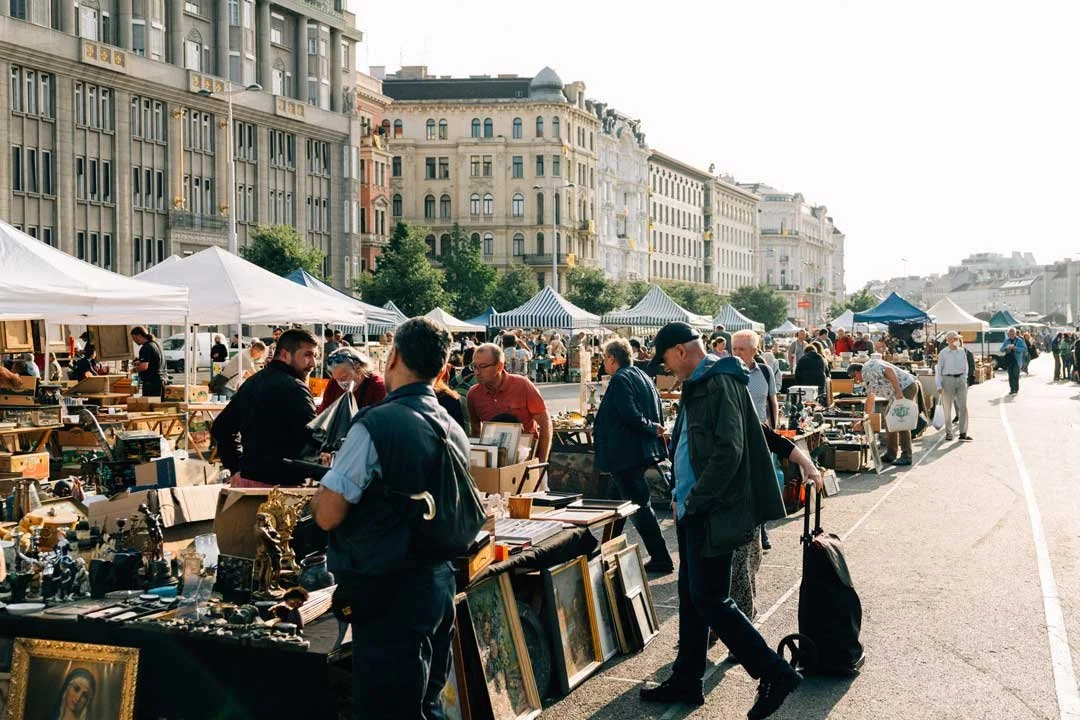
On Saturdays, the nearby Naschmarkt flea market transforms the area into a world of its own — chaotic, colourful, and wonderfully Viennese.
Exploring these Grätzl means discovering Vienna not as a postcard, but as a lived-in city — intimate, layered, and endlessly surprising.
