
How to get around in Vienna!
Vienna is one of Europe’s easiest cities to explore independently, thanks to its excellent public transport, walkable centre, and bike-friendly layout. This article explains how to move around Vienna like a local and why understanding the city’s transport system is key to discovering hidden Vienna, secret neighbourhoods, and off-the-beaten-track experiences beyond the usual tourist routes.
For travellers looking for authentic local insights in Vienna, knowing how to navigate the city efficiently opens the door to unusual places, quiet districts, and everyday life rarely seen by visitors.
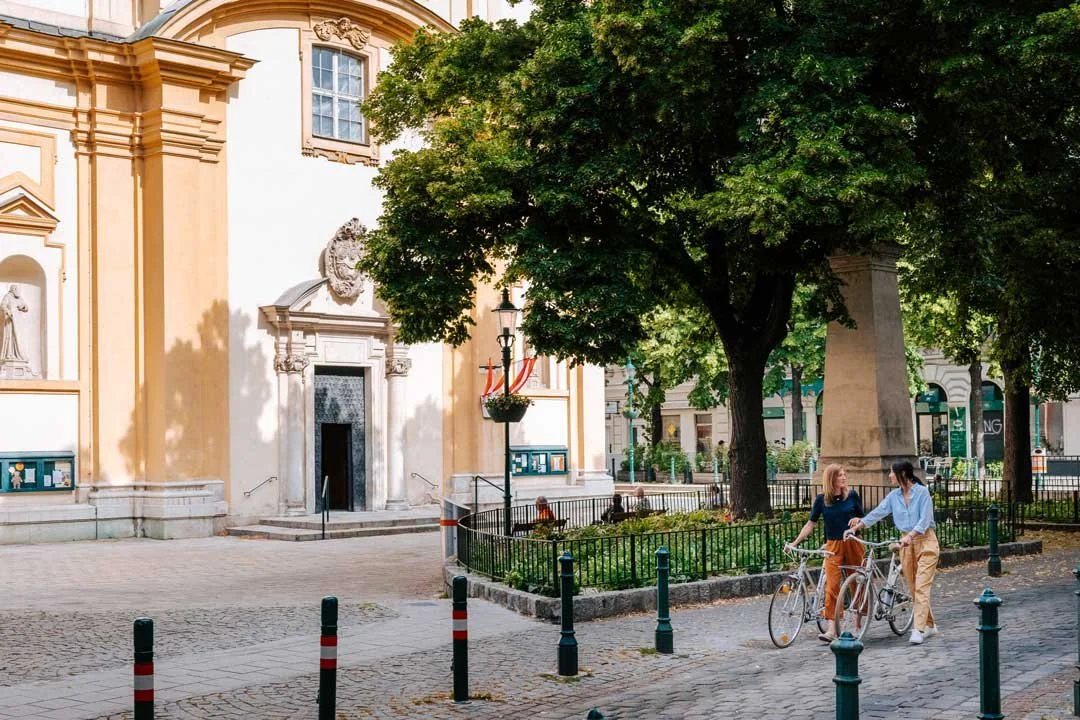
© WienTourismus/Paul Bauer
Why getting around Vienna matters for discovering hidden gems.
Most visitors stay close to the historic centre, but Vienna’s real character reveals itself just beyond the Ringstrasse. Excellent transport connections mean that secret courtyards, lesser-known districts, alternative neighbourhoods, and local swimming spots are all easily accessible.
This is ideal for travellers looking for hidden places in Vienna, unique things to do, and off-the-beaten-track Vienna tours without the stress of complicated logistics.
At Hidden Vienna Guide, we design our walking tours with this in mind — combining public transport, walking, and local knowledge to reach places most tourists never consider visiting.
© WienTourismus/Paul Bauer
Vienna’s Public Transport: Efficient, affordable, and very local
Vienna has one of the most reliable public transport systems in Europe. The network includes:
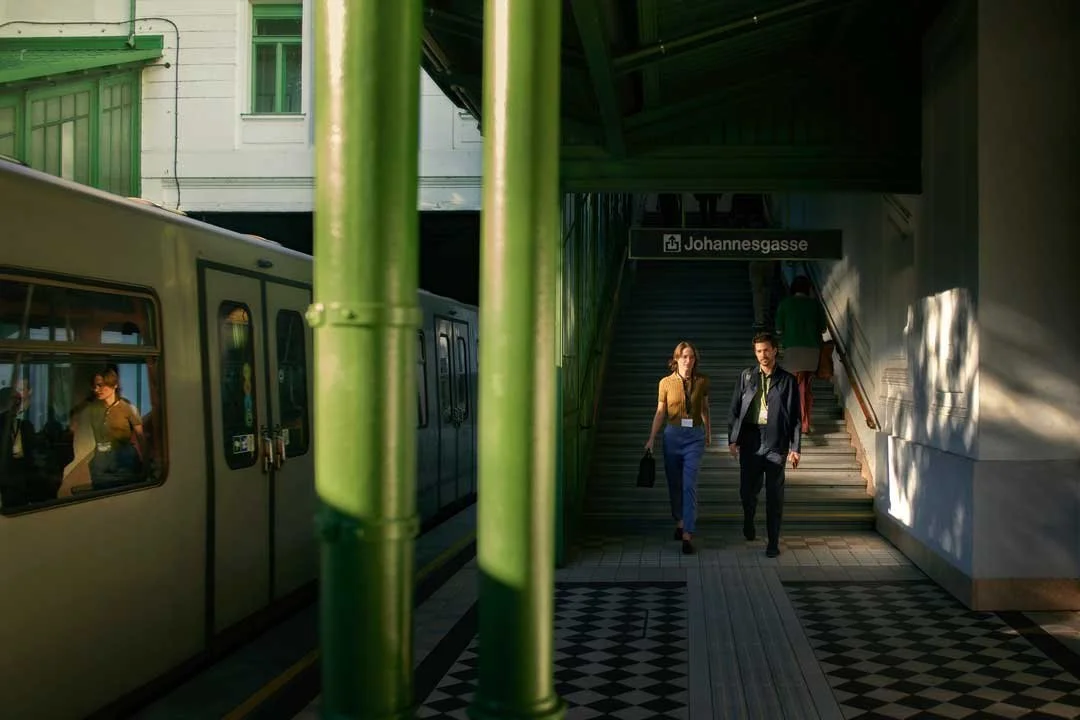
5 underground (U-Bahn) lines
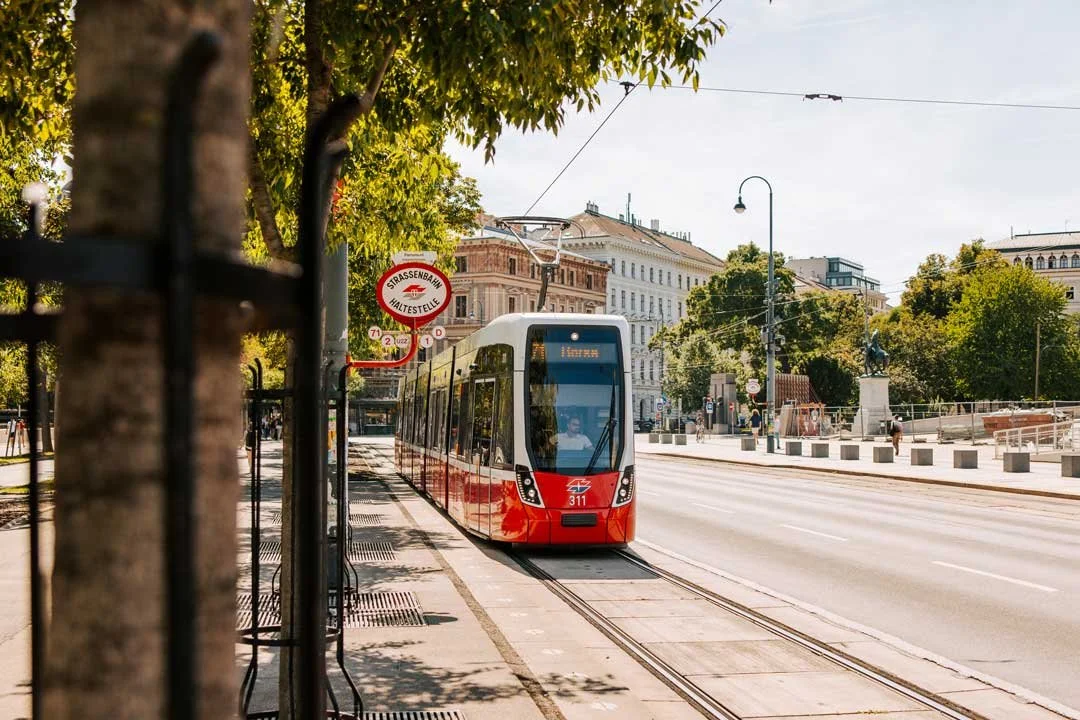
Over 30 tram lines
Around 100 bus routes
Operated by Wiener Linien, the system is fast, clean, affordable, and easy to understand — even for first-time visitors.
Trams are particularly special. Riding them is not just transport but a form of sightseeing in itself, offering views of residential streets, historic façades, and everyday Viennese life. Many locals use trams daily, making them perfect for travellers seeking authentic Vienna experiences.
There is almost no place in Vienna that cannot be reached by public transport, making it one of the best cities in Europe for independent exploration.
© WienTourismus/David Payr
Ticket prices (Wiener Linien)
Single ticket: approx. €2.40
24-hour ticket: approx. €8.60
48-hour ticket: approx. €14.10
Weekly ticket (Monday–Sunday): approx. €17.10
(As of 25 February 2026)
These prices make public transport one of the most cost-effective ways to explore Vienna beyond the tourist centre.
Exploring Vienna by bicycle: My favorit way of getting around!
When the weather is pleasant, cycling is one of the best ways to experience Vienna. The city has a well-developed cycling network, and distances between districts are shorter than many visitors expect.

© WienTourismus/Paul Bauer
One particularly rewarding ride takes you from the city centre to the Alte Donau. In around 20 minutes, you can travel from historic streets to a relaxed waterside atmosphere where locals swim, picnic, and enjoy modern architecture alongside nature.
This contrast — imperial Vienna meeting urban leisure culture — is a perfect example of unusual Vienna experiences that most tourists miss.
Bike rental tip:
Pedal Power offers reliable bike rentals at reasonable prices, ideal for half-day or full-day explorations.
© WienTourismus/Paul Bauer
Walking Vienna: The best way to notice the details
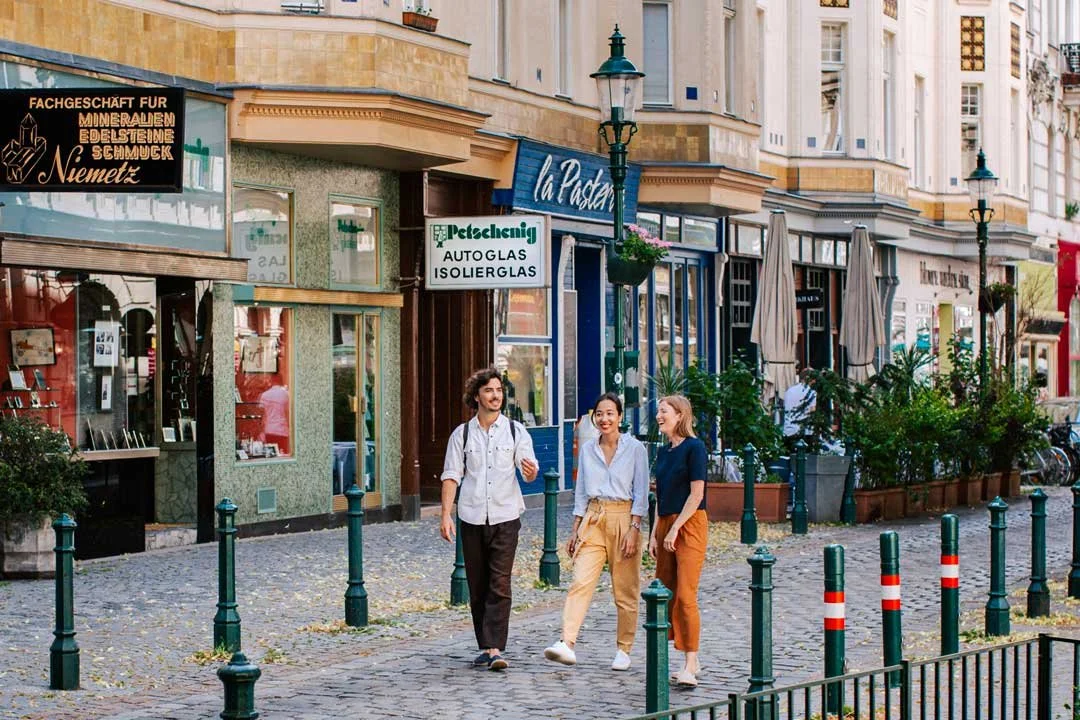
Vienna is also an exceptionally walkable city. The historic centre is compact, filled with pedestrian zones, and ideal for slow exploration.
Walking allows you to notice the details that define Vienna’s character — ornamental façades, hidden courtyards, and subtle architectural references to imperial, modernist, and working-class history.
My tip: Always look up. Some of Vienna’s most beautiful details are above eye level — decorative sculptures, reliefs, inscriptions, and symbols that quietly tell stories of the past.

© WienTourismus/Paul Bauer
From Vienna Airport to the City: The local way
Many visitors assume the City Airport Train (CAT) is the best option from the airport, but locals rarely use it.
A better alternative is the regular ÖBB S-Bahn (suburban railway)
•It is only around 6 minutes slower than the CAT
• Costs about two-thirds less
•Takes you directly into the city centre
While the S-Bahn may stop more frequently, it offers excellent value and lets you ride with locals.
If you are flying with a Star Alliance airline such as Austrian, Lufthansa, SWISS, TAP, or Brussels Airlines, the CAT train can be worth considering, as it allows you to check in your luggage up to 24 hours before departure, directly at Wien Mitte station before traveling to the airport.
Why these choices matter for off-the-beaten-track Vienna
Understanding how locals move through Vienna allows you to explore freely and confidently. It enables access to:
Non-touristy neighbourhoods
Lesser-known cultural spaces
Local swimming spots and green areas
Street-level stories and everyday life
This approach is perfect for travellers searching for secret places in Vienna, hidden gems, and local insights that guidebooks often overlook.
At Hidden Vienna, we specialise in walking tours that combine transport knowledge with storytelling — focusing on forgotten history, unusual neighbourhoods, and perspectives that reveal Vienna as locals experience it.
